Lunar Calendar
Introduction
The Lunar Calendar, also known as the traditional Chinese calendar, is an ancient timekeeping system deeply embedded in Chinese culture and traditions. It is a lunisolar calendar that combines the cycles of the moon and the sun, playing a significant role in the agricultural, social, and cultural life of the Chinese people. The calendar is widely used to determine traditional festivals, seasonal changes, and auspicious dates.
Structure and Functionality
The Chinese calendar divides the year into 12 or 13 lunar months, depending on whether it is a common year or a leap year. Each month begins with a new moon and lasts for approximately 29.5 days. To align the lunar calendar with the solar year, a leap month is added every two to three years. This adjustment ensures that the calendar remains synchronized with the changing seasons.
In addition to months, the calendar is divided into 24 solar terms, which reflect seasonal changes and guide agricultural activities. These solar terms, such as "Major Cold," "Start of Spring," and "Summer Solstice," are based on the sun's position in the zodiac and have been used for thousands of years to mark important periods in the agricultural cycle.
Cultural Significance
The Lunar Calendar has profound cultural significance in China and other East Asian countries. It is the foundation for many traditional festivals and customs, including the Chinese New Year, Mid-Autumn Festival, Dragon Boat Festival, and Lantern Festival. Each festival is associated with specific lunar dates and is celebrated with unique rituals, foods, and activities.
For example, the Dragon Boat Festival, celebrated on the fifth day of the fifth lunar month, involves dragon boat races and the consumption of zongzi (glutinous rice dumplings). The Mid-Autumn Festival, held on the 15th day of the eighth lunar month, is a time for family reunions and mooncake sharing while admiring the full moon.
The 24 Solar Terms
The 24 solar terms are a distinctive feature of the Chinese Calendar, dividing the year into equal segments based on the sun's movement. These terms, such as "Major Cold," "Grain Rain," and "Autumn Equinox," provide a framework for understanding seasonal changes and agricultural activities. For instance, "Lichun," the first solar term, marks the beginning of spring and is associated with customs like "bite the spring," where people eat spring pancakes and fresh vegetables to celebrate the arrival of the season.
The solar terms also influence traditional Chinese medicine, as they are believed to affect the body's balance of yin and yang. Seasonal health practices, dietary adjustments, and herbal remedies are often aligned with the solar terms to promote well-being.
Traditional Festivals and Celebrations
The Lunar Calendar is integral to the celebration of numerous traditional festivals, each with its own unique customs and significance:
-
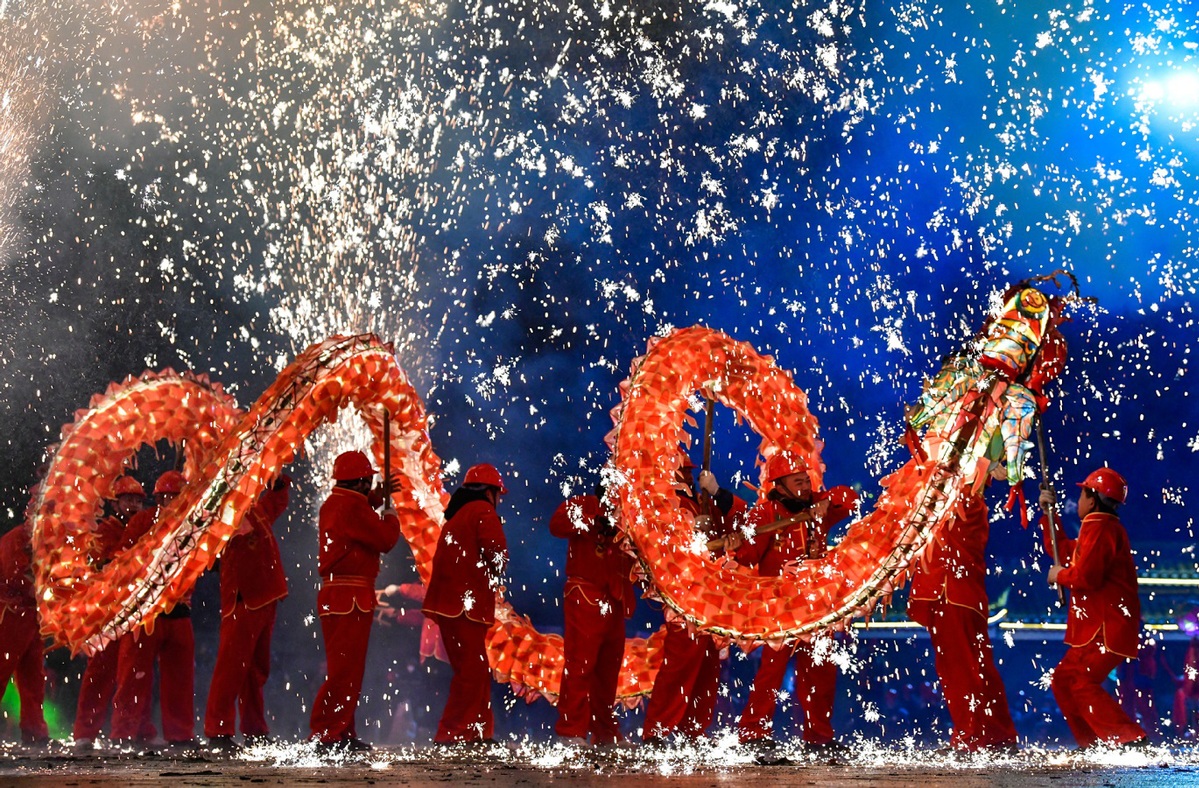
Chinese New Year (Spring Festival): Celebrated on the first day of the first lunar month, this is the most important festival in China. Families gather for reunion dinners, exchange red envelopes, and set off fireworks to welcome the new year.
-
Lantern Festival: Falling on the 15th day of the first lunar month, this festival marks the end of the Spring Festival celebrations. People light lanterns, solve riddles, and eat tangyuan (sweet glutinous rice balls).
-
Dragon Boat Festival: Held on the fifth day of the fifth lunar month, this festival commemorates the poet Qu Yuan. It features dragon boat races, the making of zongzi, and rituals to ward off evil spirits.
-
Mid-Autumn Festival: Celebrated on the 15th day of the eighth lunar month, this festival is a time for family reunions and moon appreciation. Mooncakes are a traditional delicacy associated with this festival.
-
Double Ninth Festival: Occurring on the ninth day of the ninth lunar month, this festival is also known as Chongyang Festival. It is a day to honor the elderly, climb mountains, and drink chrysanthemum wine.
Agricultural and Social Role
Historically, the Lunar Calendar played a crucial role in agriculture, guiding farmers in planting, harvesting, and other farming activities. The 24 solar terms provided a reliable framework for understanding seasonal changes and optimizing agricultural production. Even today, the calendar continues to influence rural communities and traditional farming practices.
Beyond agriculture, the Lunar Calendar shapes social and cultural life. It determines auspicious dates for weddings, funerals, and other important events. The calendar also reflects the harmony between humans and nature, emphasizing the interconnectedness of life and the environment.
Regional and Global Influence
The influence of the Lunar Calendar extends beyond China to other East Asian countries, including Japan, Korea, and Vietnam. These countries have adapted the calendar to their own cultural contexts while preserving its core principles. For instance, Japan's Tango no Sekku, South Korea's Gangneung Danoje Festival, and Vietnam's Tet Festival are all rooted in the lunar calendar.
In recent years, the Lunar Calendar has gained global recognition, with traditional festivals like the Chinese New Year celebrated in many countries. These celebrations showcase the rich cultural heritage of the calendar and its enduring relevance in a modern, interconnected world.
Modern Adaptations
While the Gregorian calendar is the primary calendar used for daily life in China, the Lunar Calendar remains an essential part of cultural and traditional practices. It is widely consulted for determining festival dates, planning agricultural activities, and selecting auspicious days for important events.
Modern adaptations of the Lunar Calendar include digital apps and online tools that provide information on lunar dates, solar terms, and festival customs. These innovations ensure that the calendar continues to be accessible and relevant in the digital age.








